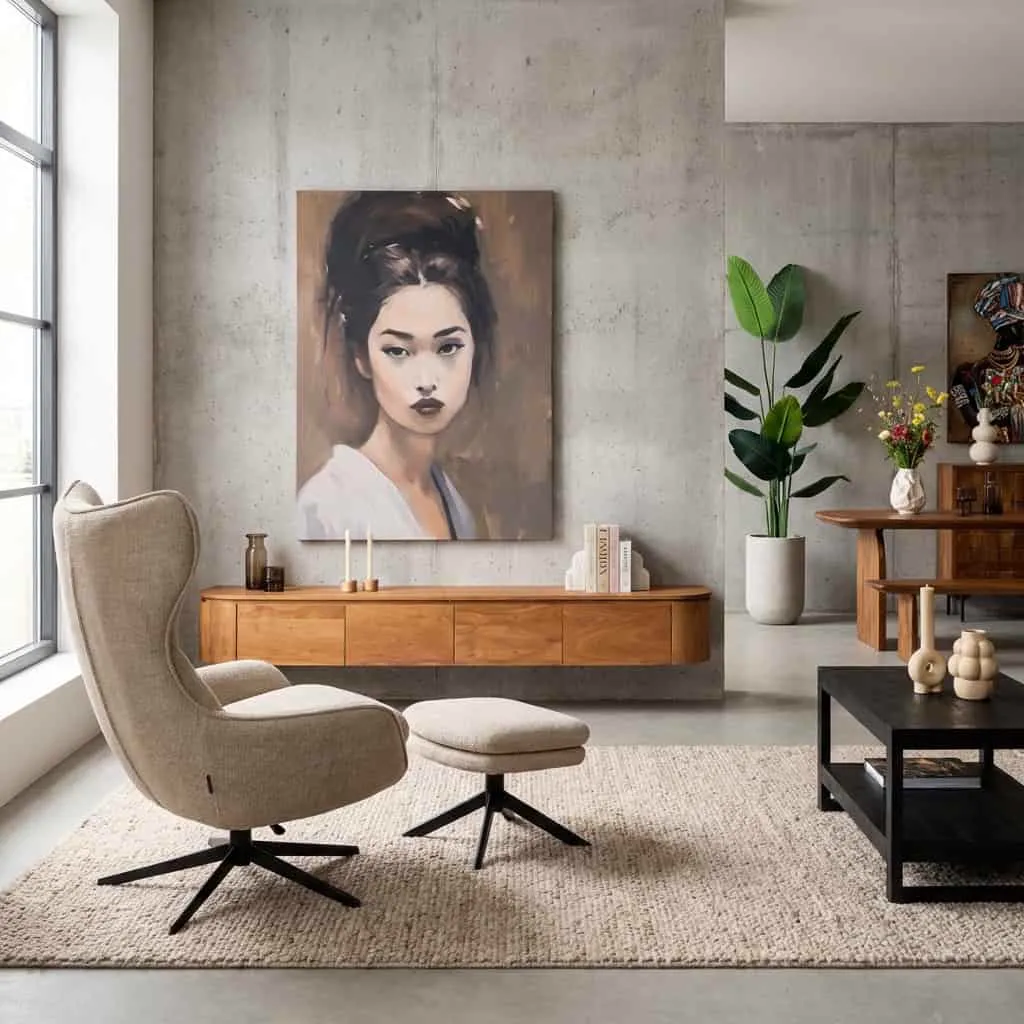
Floating TV Units
About this collection
125 results
€249 to €1,979. Our own delivery service, no deposit, at least 2 years warranty.
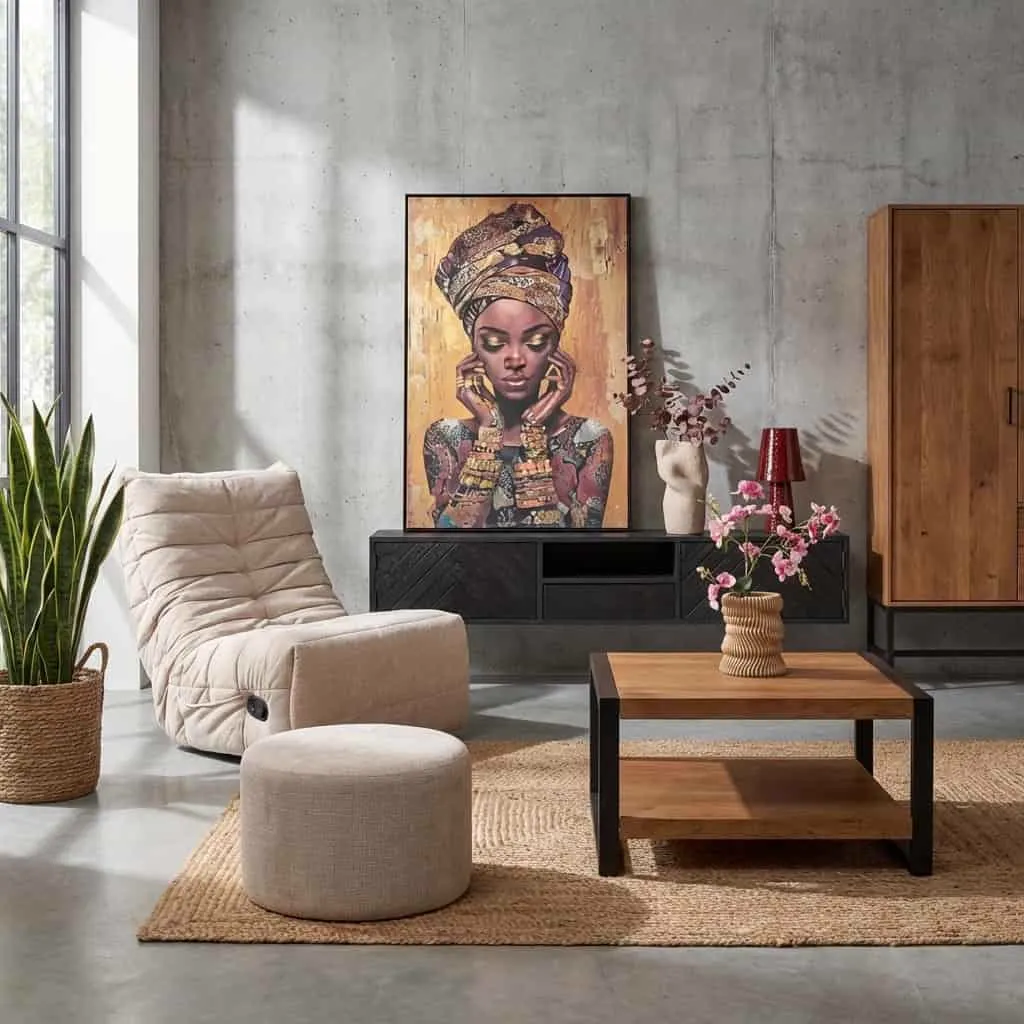
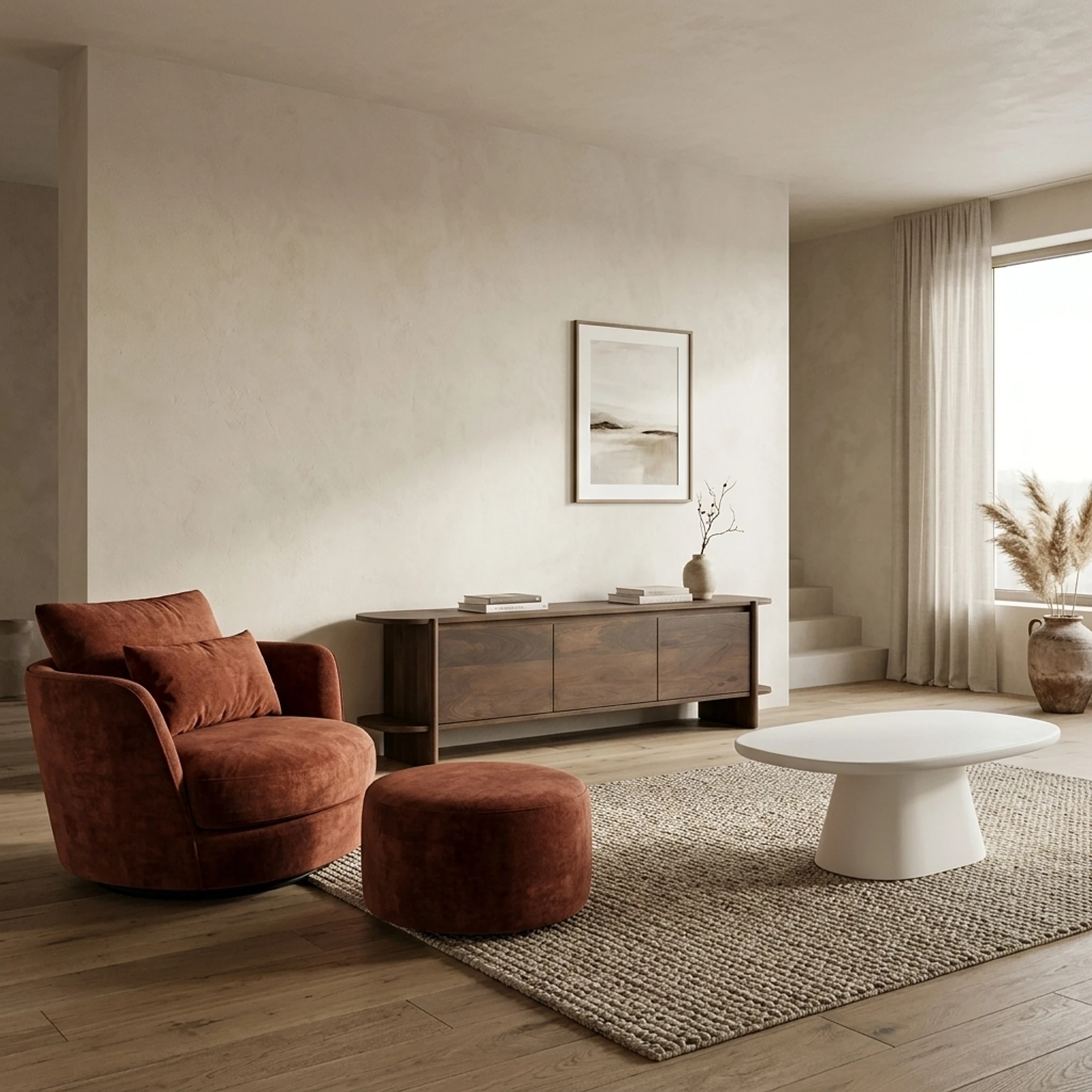


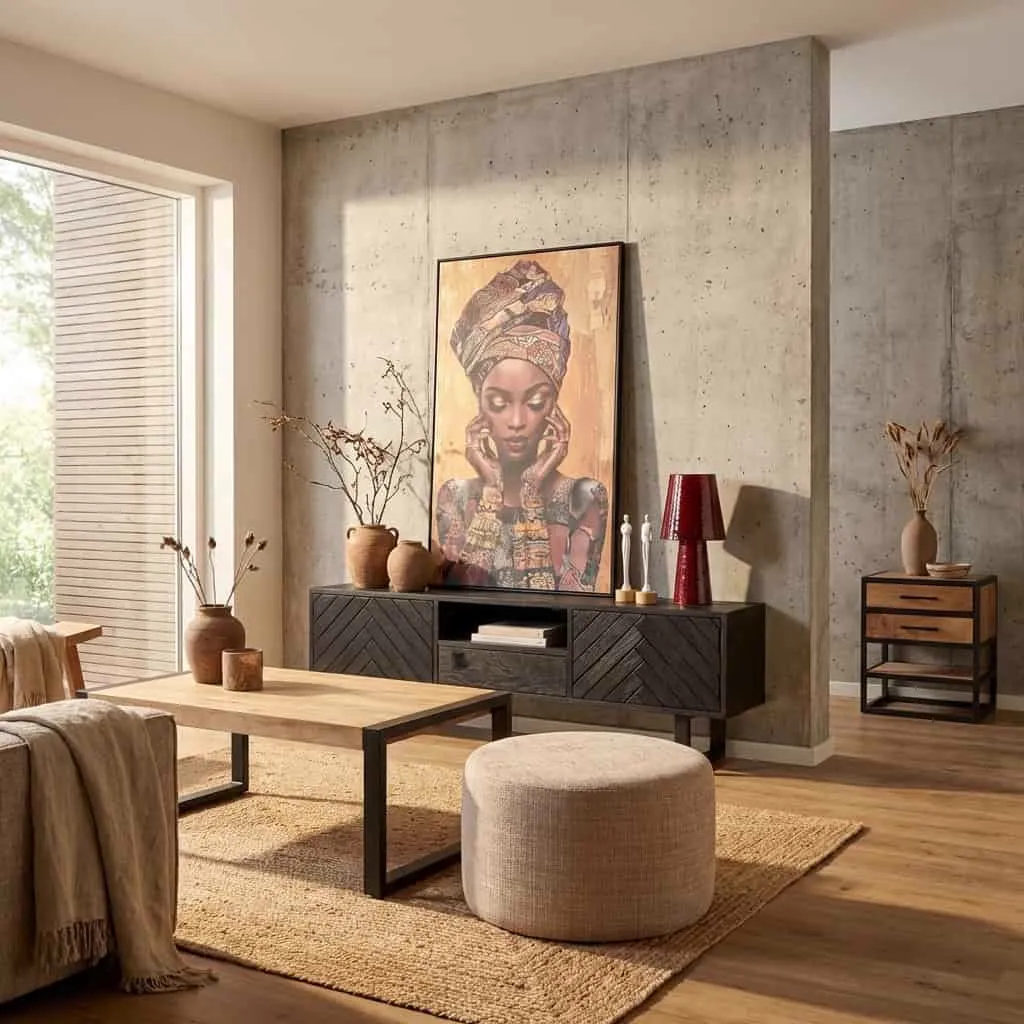
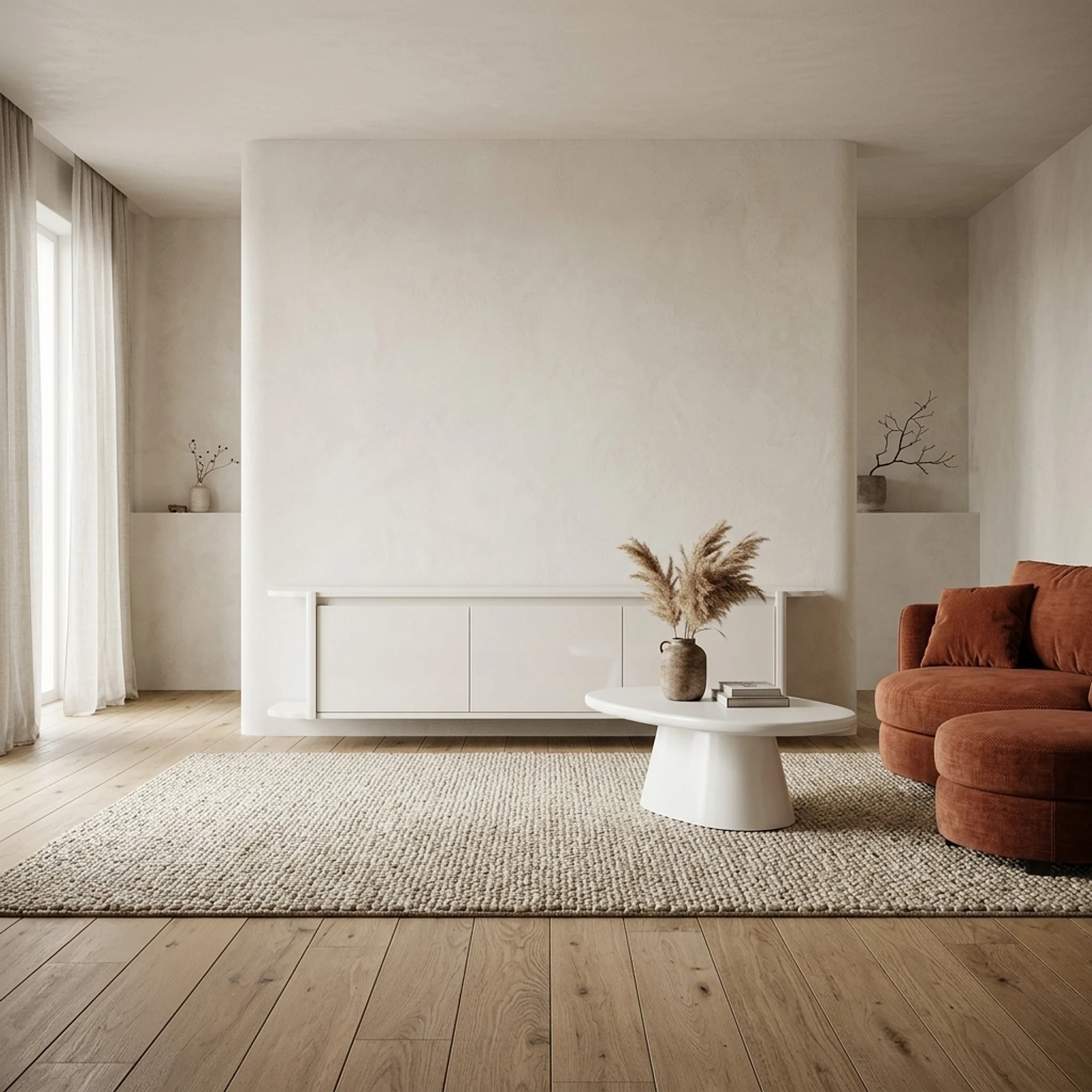
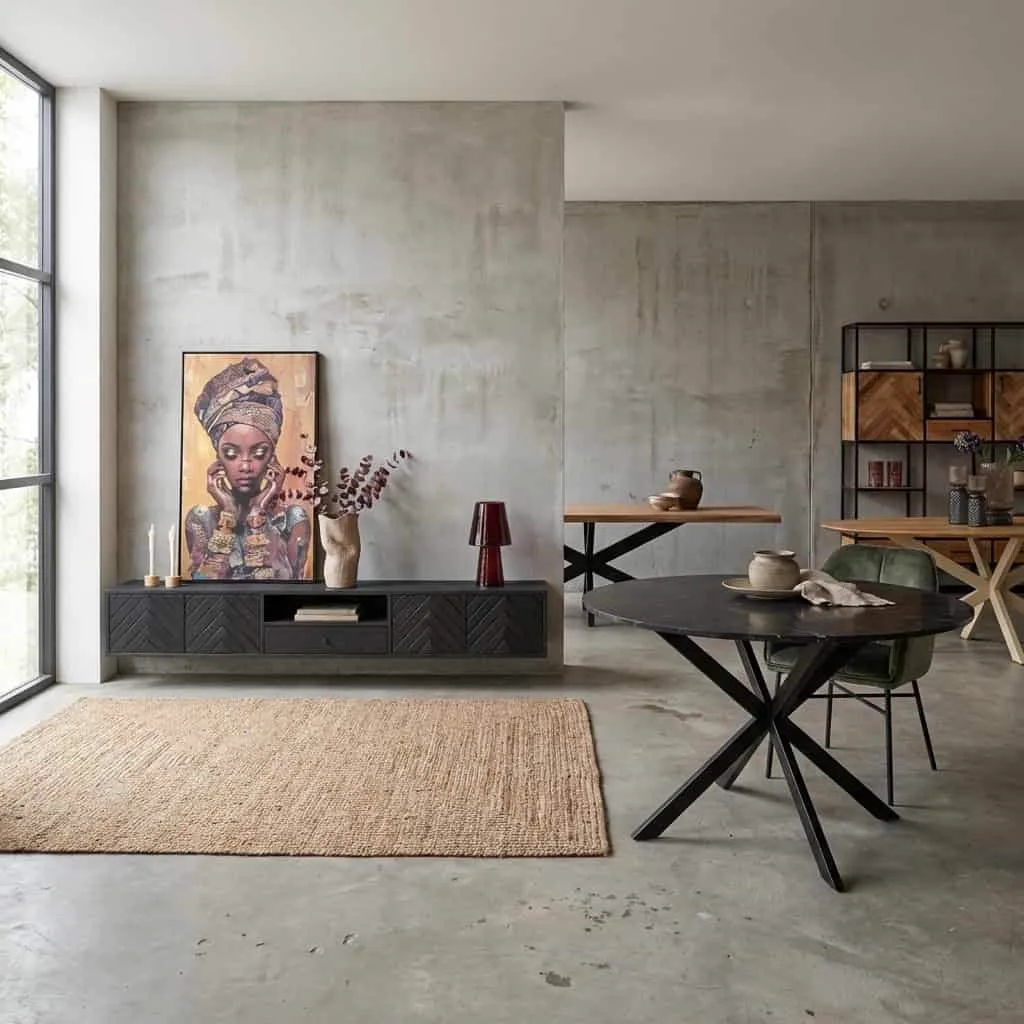
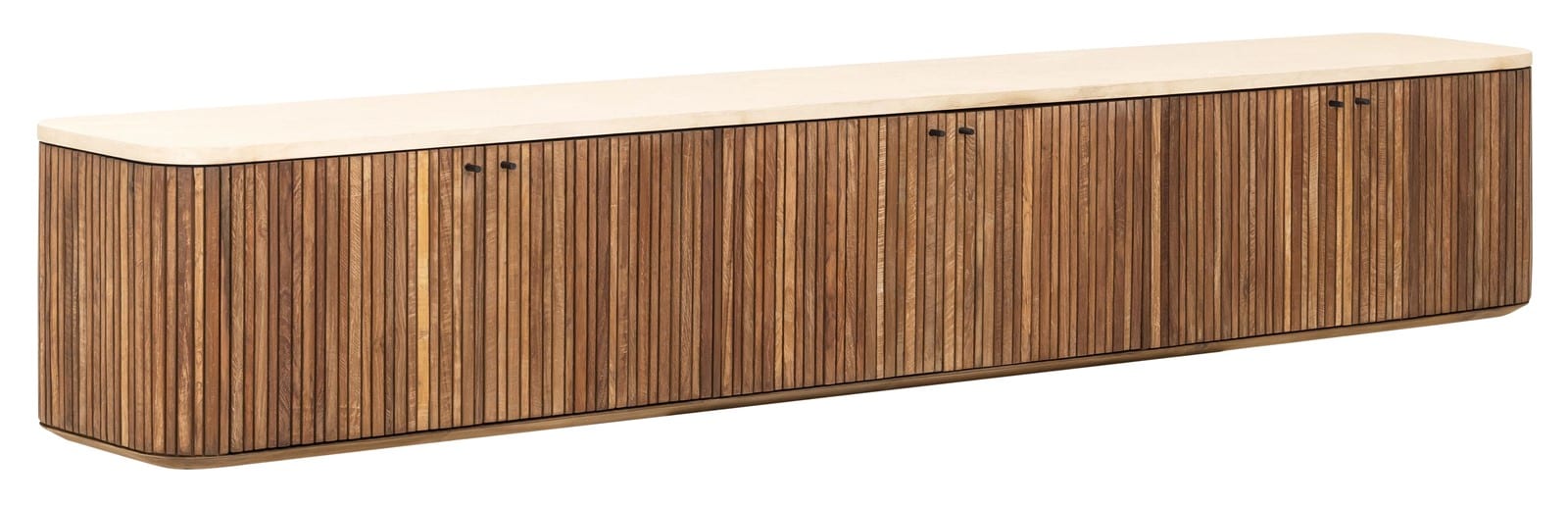
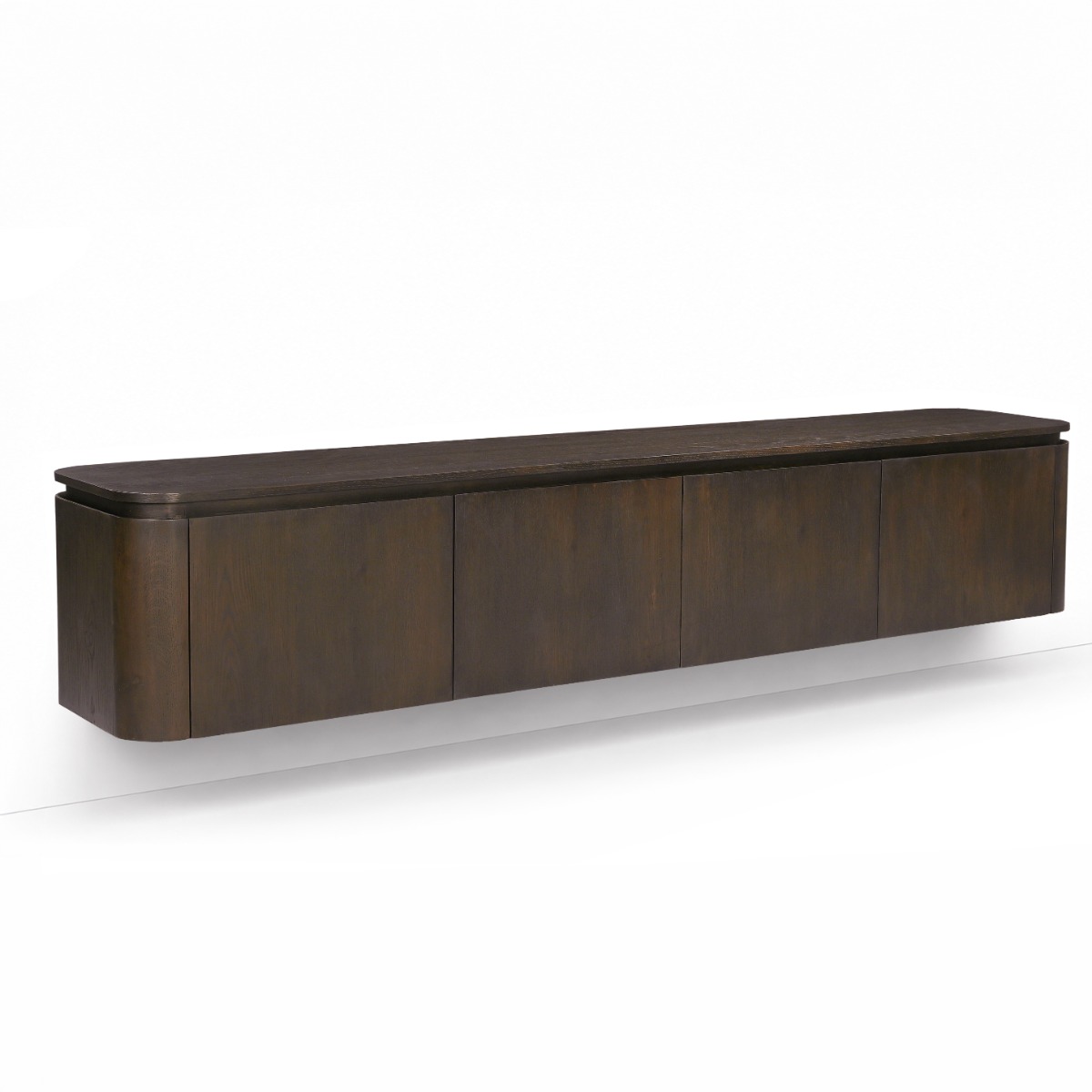
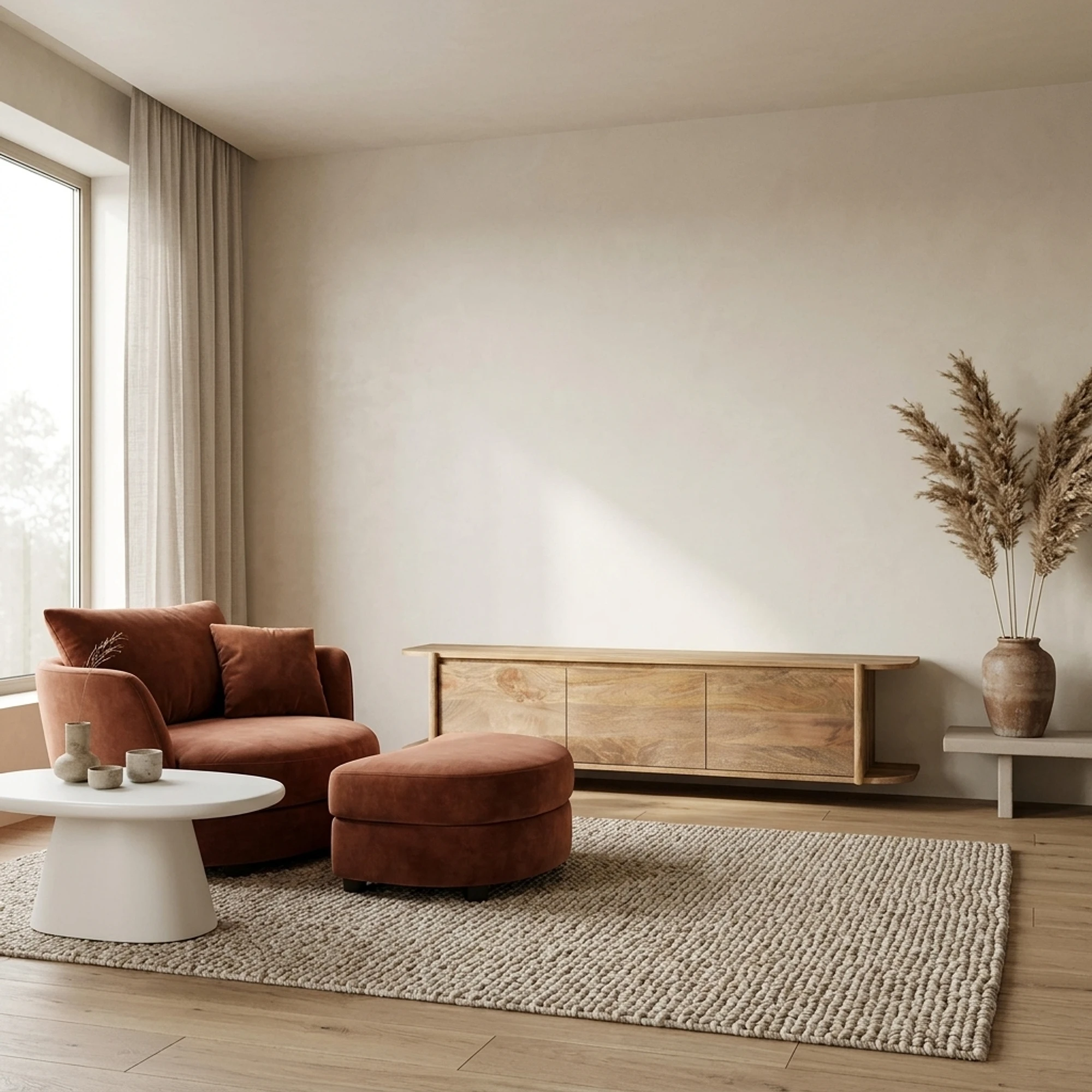
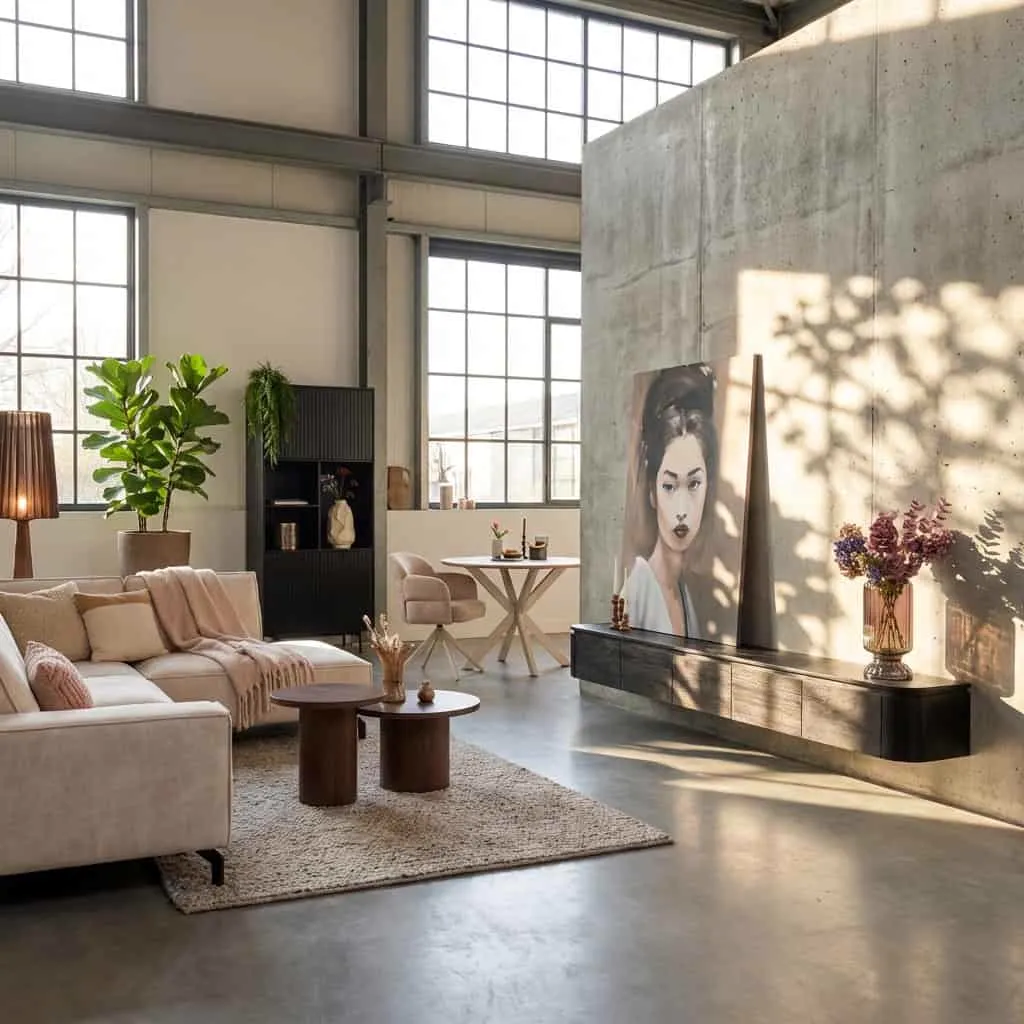


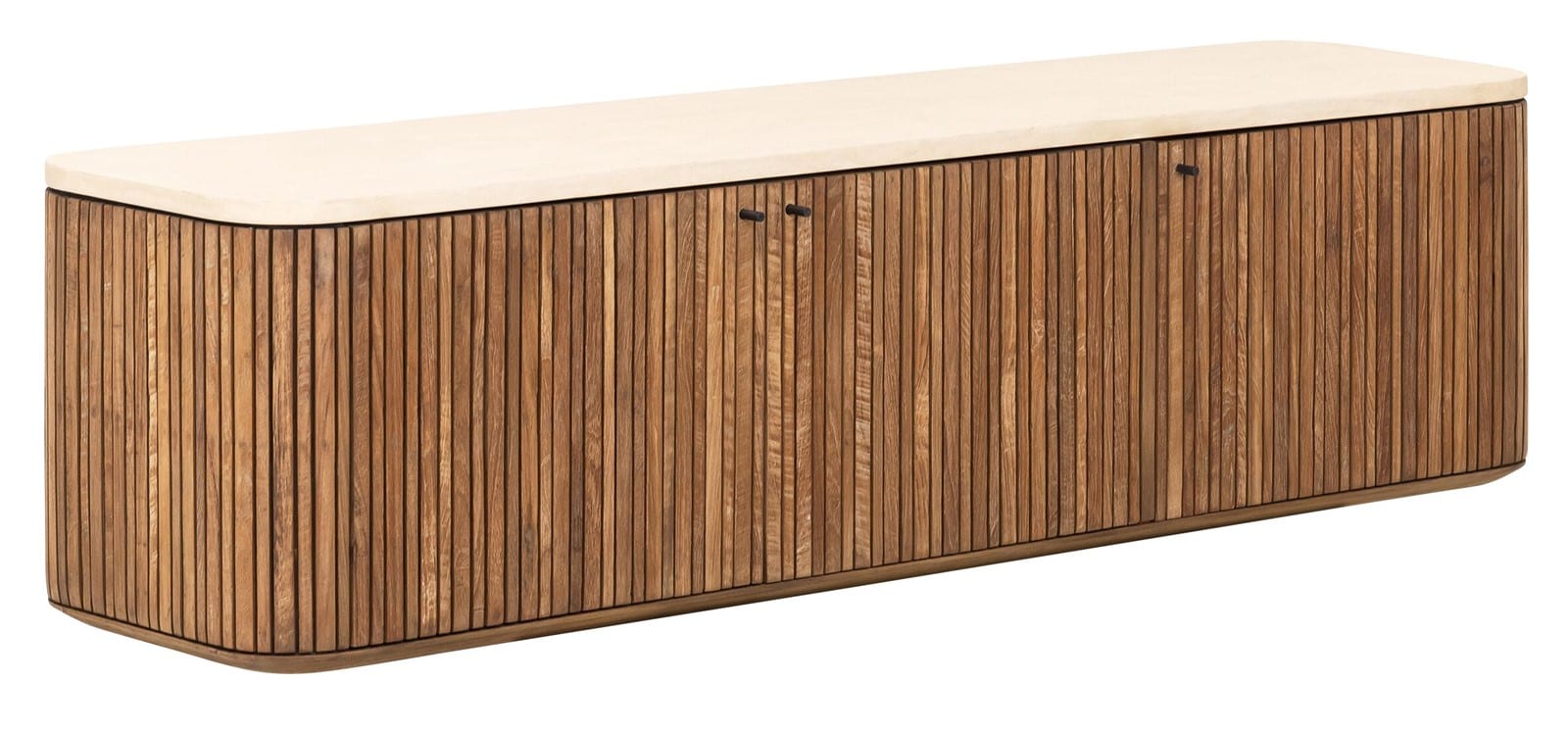
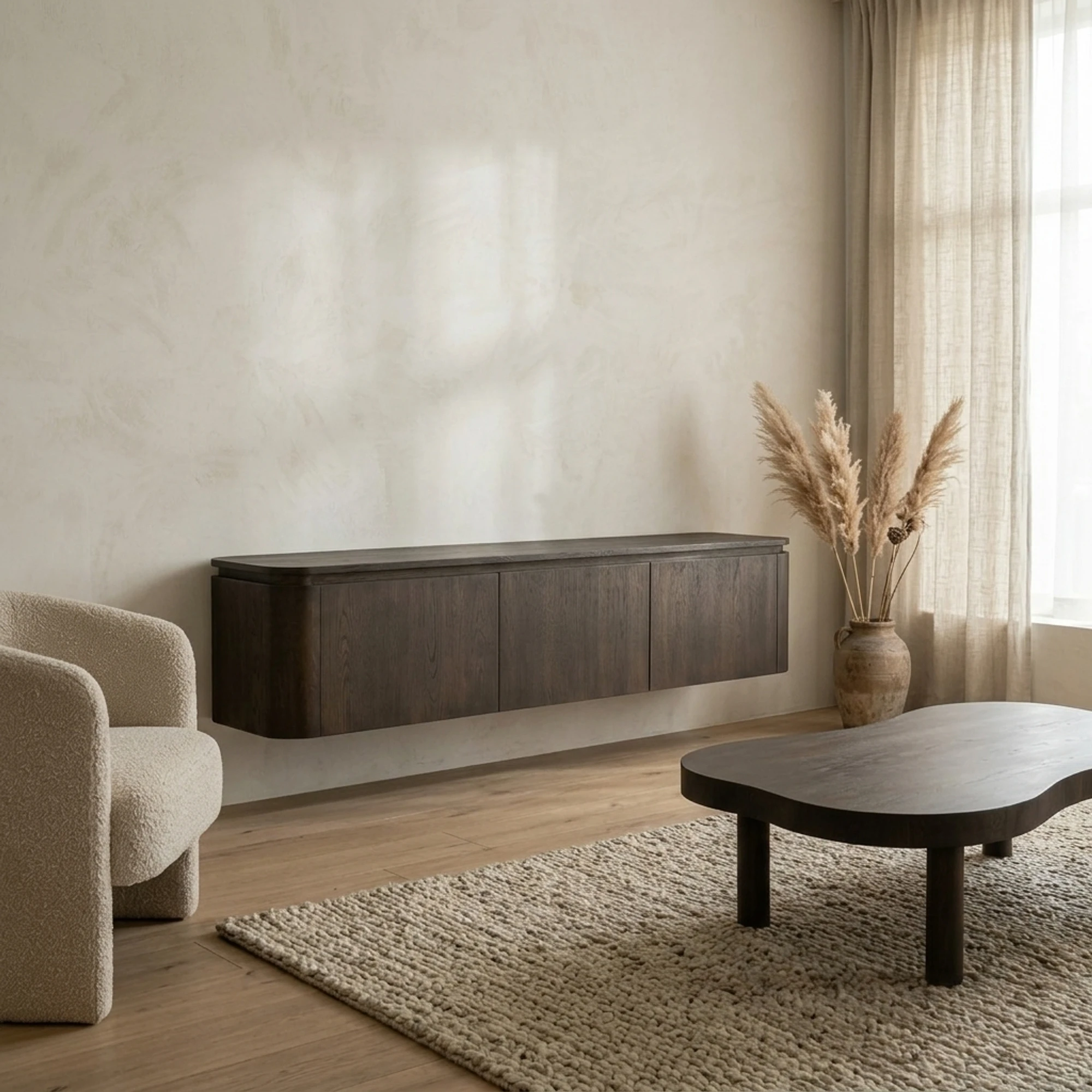
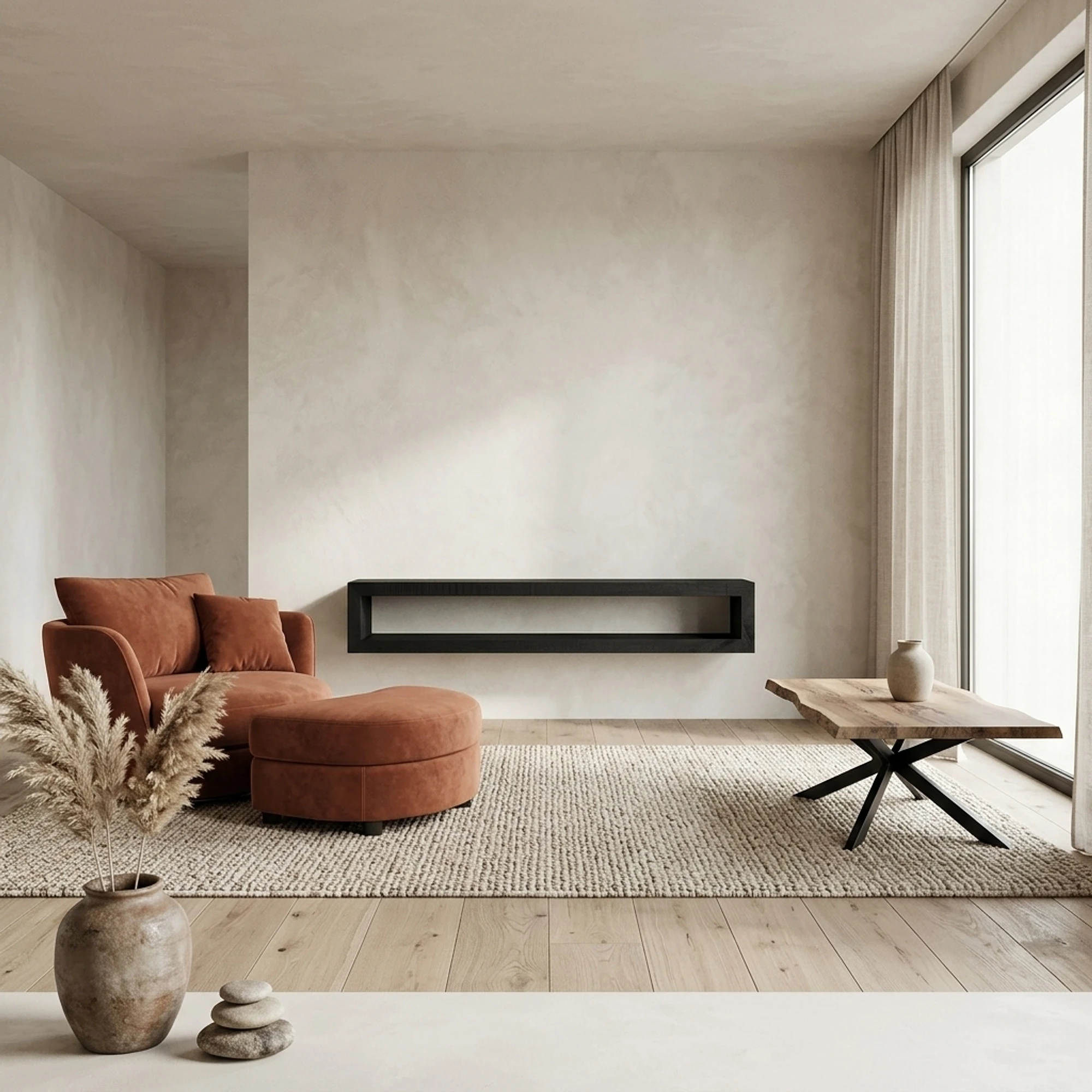
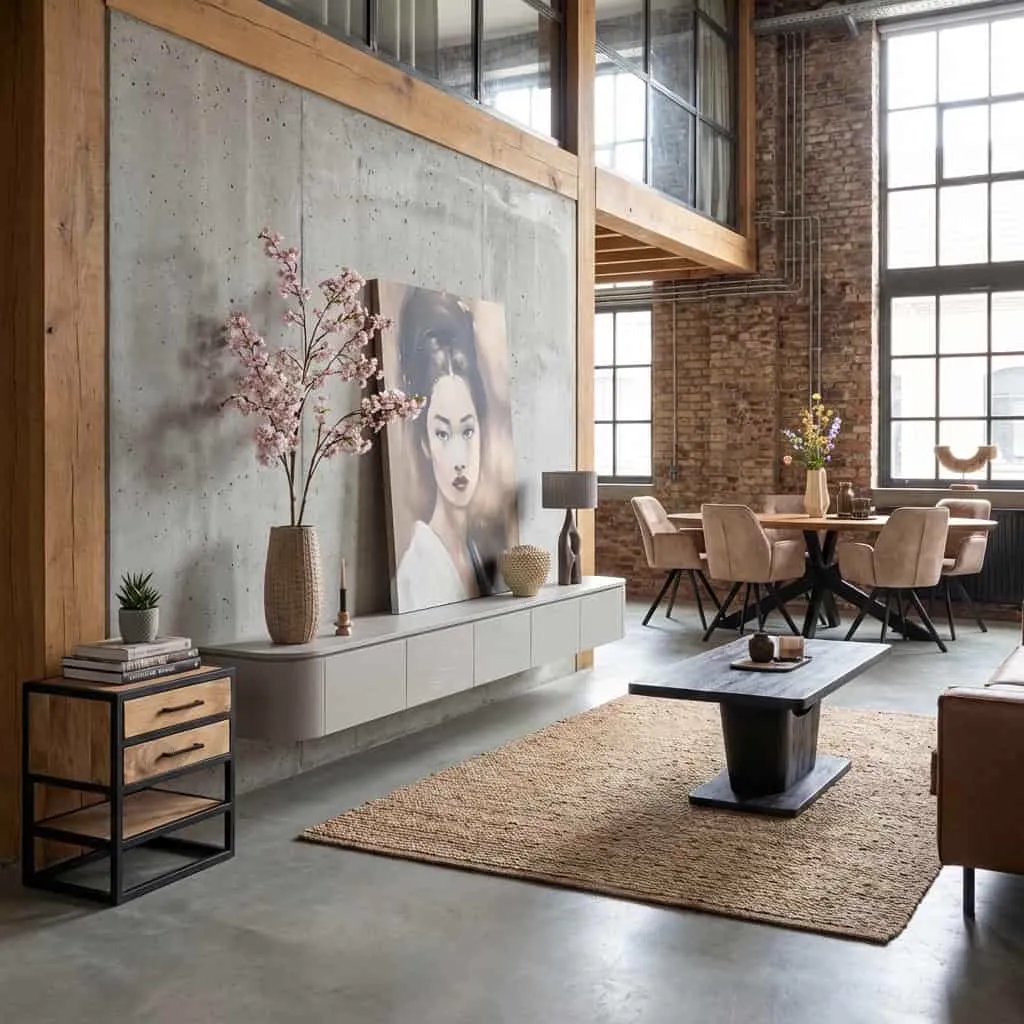
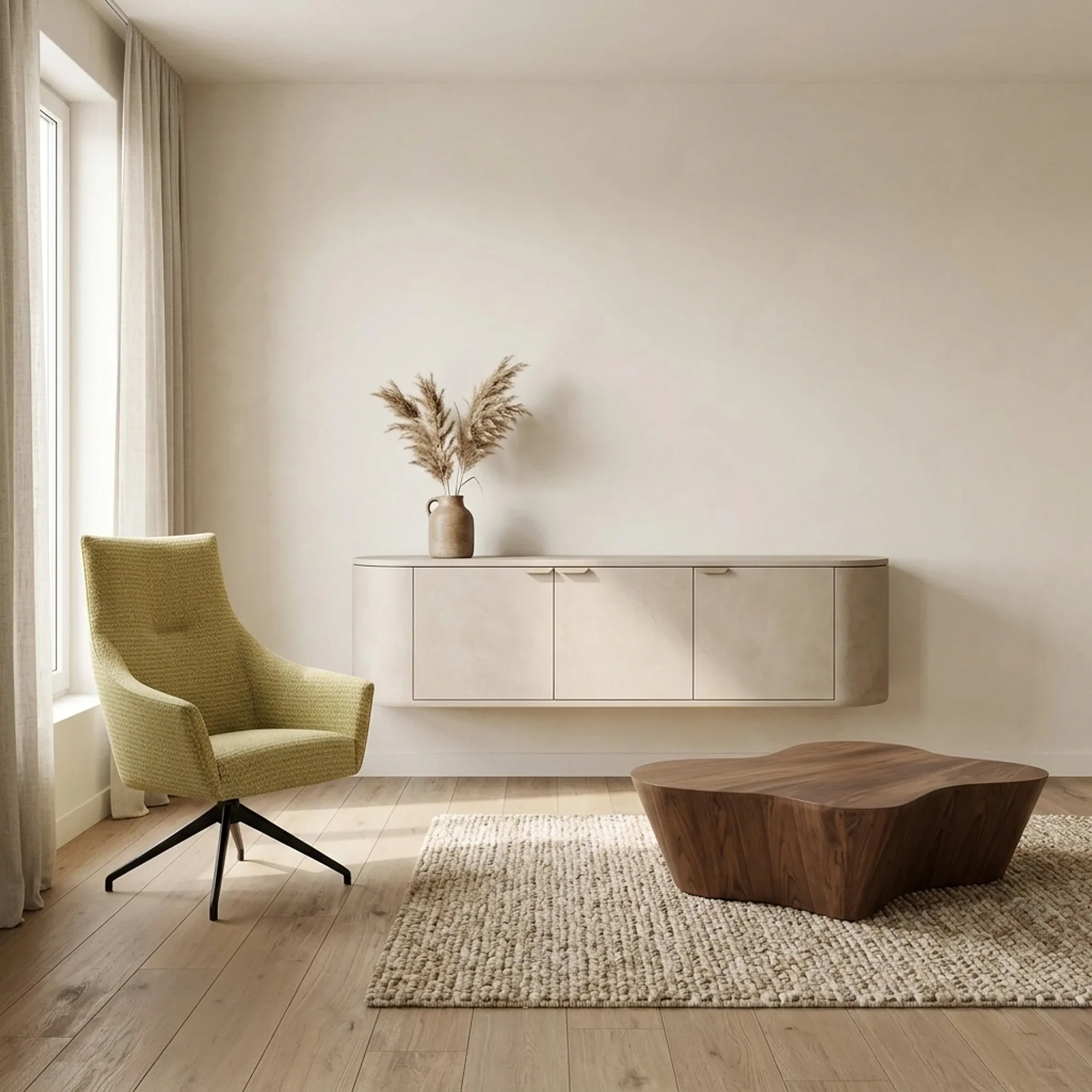
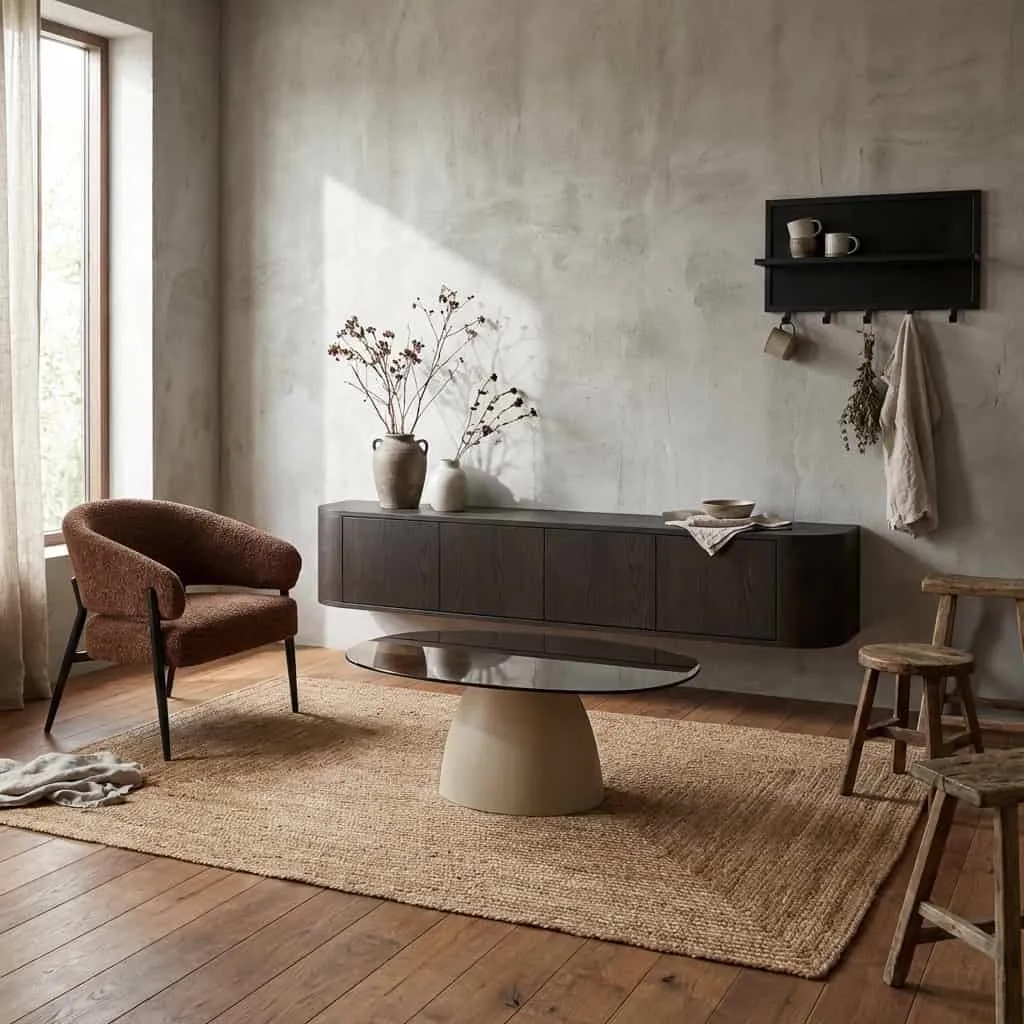


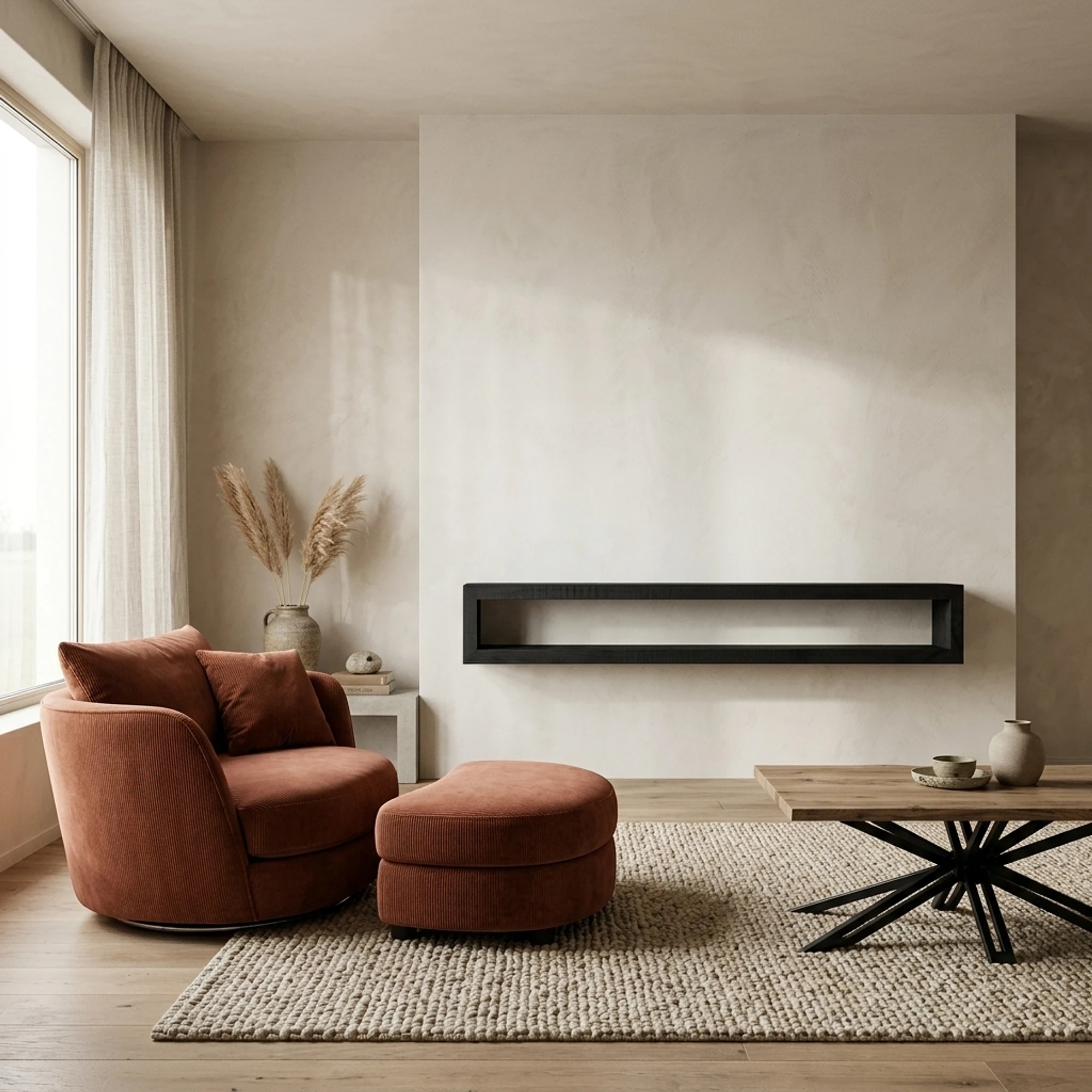
Item 109 to 125 of 125
Floating TV unit, hanging TV unit or wall mounted TV cabinet?
These names all describe the same piece: a TV unit without legs, fixed to the wall with a mounting system. Hanging TV unit emphasises the fixing, floating TV unit the effect of the piece appearing to hover clear of the floor, and wall mounted TV cabinet is mostly used for the closed models with doors or flaps. Whichever term you search for, you end up at the same collection. This page brings them together, from open shelf models to fully closed cabinets.
Why choose a floating TV unit?
Because the piece hangs clear of the floor, the room looks calmer and larger, and vacuuming or mopping is effortless. A floating unit emphasises the horizontal line in your interior and gives an almost weightless impression. In solid wood you combine that light, clean look with the warmth and character of natural material. Many models come in several widths within the same series, so you can match the piece to your wall exactly.
Which size and mounting height?
Choose a unit at least as wide as your TV, preferably 20 to 40 cm wider. Our widths run from 115 cm for a compact wall to 280 cm for a spacious living room, with 160, 200 and 240 cm the most chosen sizes. The mounting height depends on your viewing position: the centre of the screen ideally sits at eye level from the sofa. A common bottom edge height is 30 to 40 cm from the floor.
How much weight does the wall need to carry?
The load capacity is in the wall and the fixings, not in the furniture. So work with the total weight: the pieces in this collection weigh 17 to 62 kg on their own, 38 kg on average, plus your television, soundbar and equipment. A solid brick or concrete wall carries that easily with the right plugs. On a plasterboard or stud wall you need a timber batten or a fixing that reaches through to the load bearing masonry, because plasterboard plugs alone are not enough at this weight. If you are unsure about your wall, ask us before ordering.
How do you mount a floating TV unit safely?
A floating TV unit hangs from a sturdy wall system, usually a mounting rail or a set of heavy wall brackets. Mark the height with a spirit level across the full width, because on a wide unit a small deviation shows immediately. Drill into the load bearing material rather than the joint, and hook the wider sizes into place with two people. After mounting, check that the unit sits flush across its full width before you load it with equipment.
Black, natural or sand: which colour fits?
The collection is widest in brown and natural, 65 models together, followed by black with 27 models and the light tones sand and taupe with 31 models. A black floating TV unit disappears against a dark wall and puts your screen centre stage, which works well in a clean, modern or industrial interior. Natural and brown mango wood instead bring warmth and grain back into a light room. If you are looking for a white TV unit, look at our lightest finishes in sand and off white: flat lacquered white is rare in this floating collection, because solid wood keeps its own grain and colour variation.
Which wood type for your floating TV cabinet?
By far the most floating models are mango wood, 100 out of 130: versatile, affordable and with a lively grain. Teak is oil rich and timeless, and there are also models with oak veneer or with a mortex or travertine top for a cleaner, stonier look. For a coherent interior, match the TV unit to your coffee table so that wood type and colour return in the seating area.
Cables and equipment neatly out of sight
Our floating TV units have cable openings and often open compartments with good ventilation for your equipment. Plan in advance where the socket and cables run, so everything disappears from view and the clean, floating look is preserved. If the socket sits low, an extra opening in the back panel or a cable duct along the wall is the tidier solution. Good ventilation stops your receiver or player from sitting warm in a closed compartment.
Why buy your floating TV unit at Mokana
In our furniture store at Hogelandsingel 49 in Enschede you can see how a floating unit looks and hangs, and how different widths, colours and wood types work out. We deliver with our own delivery service in the Netherlands, Belgium and Germany, with the option to pay in instalments. For advice on size, wall or mounting, our advisers are ready to help, so your unit hangs safely and fits exactly.
Frequently asked questions
What is the difference between a floating and a hanging TV unit?
Nothing. They are two names for the same piece, fixed to the wall with a mounting system. A wall mounted TV cabinet usually refers to the closed models with doors.
How much weight can a floating TV unit carry?
That is determined by the wall and the fixings, not by the furniture itself. The models in this collection weigh 17 to 62 kg on their own, 38 kg on average, plus television and equipment. A brick or concrete wall carries that with the right plugs; a plasterboard wall needs an extra structure.
Which wall can I mount a floating TV unit on?
On a solid brick or concrete wall almost anywhere. On a plasterboard or stud wall you need a timber batten or a fixing that reaches the load bearing masonry to carry the weight safely.
At what height should I mount a floating TV unit?
Base it on your viewing position: the centre of the screen at eye level from the sofa. A common bottom edge height is 30 to 40 cm from the floor.
Which widths are available?
From 115 to 280 cm, with 160, 200 and 240 cm the most chosen sizes. Preferably choose a unit 20 to 40 cm wider than your television.
Is there a floating TV unit in black or in white?
Black is available in 27 models. Flat lacquered white is rare in this floating collection; the lightest finishes are sand and off white, alongside natural mango wood.
Can I hide the cables?
Most models have cable openings. Plan the position of the socket and cables in advance so everything stays out of sight.
Which wood type can I choose?
Mango wood is versatile and affordable and makes up the largest part with 100 of the 130 models. Teak is oil rich and timeless, and there are models with oak veneer or a mortex or travertine top.